
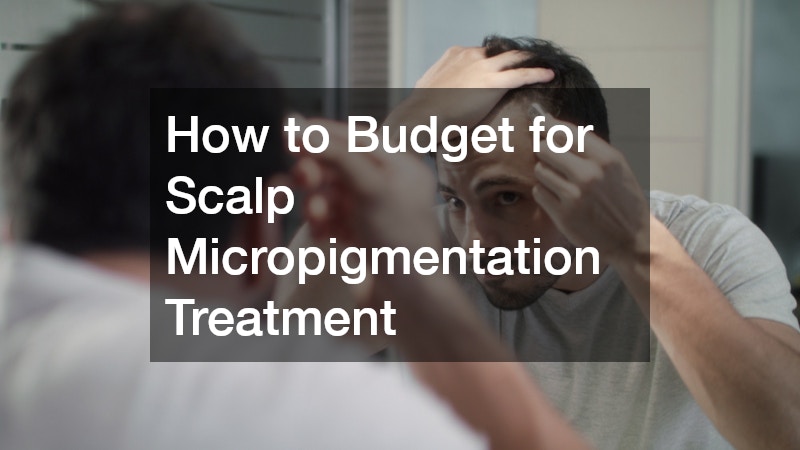
Scalp micropigmentation (SMP) has become a popular, non-surgical solution for people dealing with hair loss, thinning hair, or scalp scars. By creating the appearance of fuller hair using tiny pigment deposits, SMP can deliver long-lasting and natural-looking results.
However, like any cosmetic procedure, it requires thoughtful financial planning. Understanding the costs involved and knowing how to budget properly can help you feel confident in your decision and avoid unexpected expenses.
This guide breaks down the key factors that influence pricing and offers practical tips on how to budget effectively for scalp micropigmentation treatment.
Understanding the Average Cost of Scalp Micropigmentation
The cost of scalp micropigmentation varies depending on several factors, but in the United States, most treatments typically range from $1,500 to $4,000. Some patients may pay more for advanced cases or highly experienced practitioners, while smaller treatment areas may cost less.
SMP is usually completed over two to four sessions, and many clinics quote a total package price rather than charging per visit. When budgeting, always confirm whether the quoted price includes all sessions, consultations, and aftercare instructions.
Factors That Influence SMP Pricing
Multiple variables affect how much you will pay for scalp micropigmentation. The extent of hair loss is one of the biggest factors. A full scalp treatment for advanced hair loss will cost more than a small density enhancement for thinning areas.
The practitioner’s experience and reputation also play a major role. Highly trained SMP artists with a strong portfolio and years of experience often charge more, but their expertise can reduce the risk of poor results or corrective work later. Geographic location matters as well, with clinics in major metropolitan areas typically charging higher rates than those in smaller cities.
Initial Consultations and Assessment Costs
Many reputable SMP clinics offer free consultations, while others may charge a consultation fee ranging from $50 to $200. During this assessment, the practitioner evaluates your scalp, hair loss pattern, skin type, and expectations to determine the scope of treatment.
When budgeting, ask whether the consultation fee is applied toward your total treatment cost. A thorough consultation is an important step and should be seen as an investment in achieving safe and realistic results.
Number of Sessions Required
Scalp micropigmentation is rarely completed in a single session. Most treatments require multiple sessions spaced one to two weeks apart to build density gradually and ensure natural results. Each session adds to the overall cost.
Understanding how many sessions you are likely to need helps you plan financially. Be cautious of clinics that promise full results in one session at a significantly lower price, as this can compromise quality and longevity.
Touch-Ups and Long-Term Maintenance
While SMP is considered a long-lasting treatment, it is not completely permanent. Over time, pigments naturally fade due to sun exposure, skin type, and lifestyle factors. Most people need a touch-up session every three to five years to maintain optimal results.
When budgeting, factor in the cost of future touch-ups, which are often priced lower than the initial treatment. Planning ahead for maintenance ensures you are not caught off guard by additional expenses down the road.
Aftercare Products and Hidden Costs
Aftercare is essential for protecting your investment and achieving the best results. Some clinics include aftercare products such as gentle cleansers, moisturizers, or sunscreen in their pricing, while others require you to purchase them separately.
You may also need to budget for time off work, especially if your job involves heavy sweating or sun exposure. Although SMP has minimal downtime, following aftercare guidelines closely can prevent complications and prolong the life of your treatment.
Financing Options and Payment Plans
Many SMP clinics offer financing options or payment plans to make treatment more affordable. These plans allow you to spread the cost over several months rather than paying the full amount upfront.
Before committing, review the terms carefully, including interest rates, fees, and payment schedules. While financing can make SMP more accessible, it is important to ensure that monthly payments fit comfortably within your budget.

Comparing Clinics Without Sacrificing Quality
It is tempting to choose the lowest-priced option when budgeting for scalp micropigmentation, but cost should never be the sole deciding factor. Poor-quality SMP can be difficult and expensive to correct.
When comparing clinics, look beyond the price and evaluate before-and-after photos, client reviews, practitioner credentials, and hygiene standards. Spending more upfront for a skilled professional can save you money and stress in the long run.
Setting a Realistic SMP Budget
To set a realistic budget, start by determining how much you can comfortably afford without financial strain. Consider the total cost of treatment, potential touch-ups, aftercare products, and any financing fees.
Creating a dedicated savings plan can help you prepare for the expense over time. Setting aside a small amount each month makes the cost more manageable and reduces the need for financing.
Is Scalp Micropigmentation Worth the Investment?
For many people, scalp micropigmentation offers a significant boost in confidence and self-esteem. Compared to ongoing expenses like hair loss medications, topical products, or temporary cosmetic solutions, SMP can be a cost-effective long-term option.
By understanding the costs involved and planning your budget carefully, you can approach scalp micropigmentation with confidence and peace of mind. A well-thought-out financial plan ensures you can focus on the results rather than the expense, making your SMP journey a positive and rewarding experience.