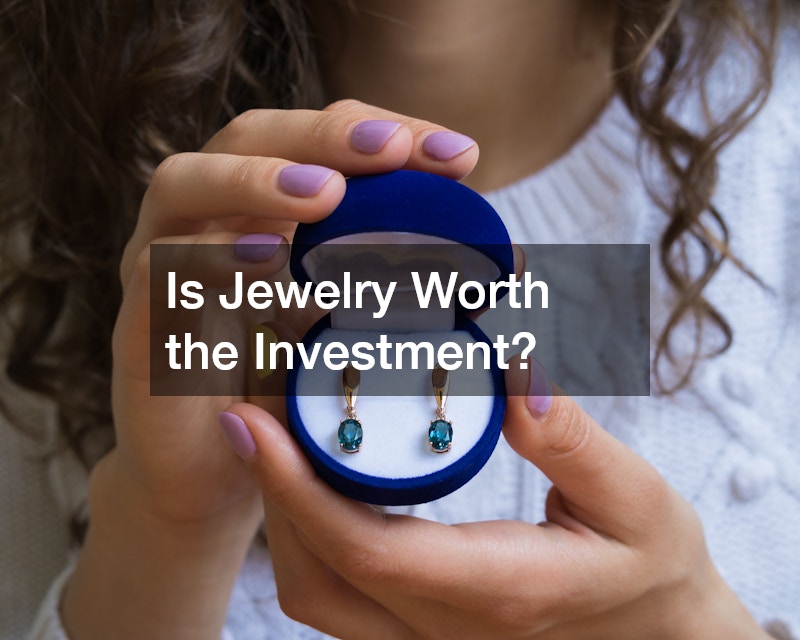
When individuals reach a significant milestone, they often look for ways to celebrate and preserve wealth simultaneously. Real estate and stocks are traditional avenues, but tangible assets have always held special allure. Precious metals and sparkling gemstones offer a tactile satisfaction that numbers on a screen cannot provide. The question of whether jewelry makes a sound financial asset is one that buyers ponder before a significant purchase. Is it a smart place to park money, or merely a luxury expense dressed up as a financial strategy? To answer this, one must examine raw material value, brand prestige, market dynamics, and emotional dividends.
At the core of any wearable asset is its intrinsic value, determined by the raw materials. Gold, silver, platinum, and palladium are physical commodities traded daily on global markets. When you purchase an item made of solid eighteen-karat gold, a portion of what you pay is the spot price of the gold itself. Throughout history, physical gold has been a standard hedge against inflation and economic instability. When fiat currencies falter, precious metals hold their ground. However, intrinsic value rarely equals the retail price. Diamonds and precious gemstones add another layer of complexity.
Unlike gold, which is fungible and priced strictly by weight and purity, gemstones are evaluated on highly subjective criteria known as the Four Cs: cut, color, clarity, and carat weight. While high-quality, unheated colored gemstones have seen appreciation over the last few decades, standard commercial-grade diamonds generally do not appreciate. The diamond market is heavily controlled and aggressively marketed, meaning the intrinsic resale value of a standard engagement stone is often much lower than consumers expect. To understand the investment potential, one must acknowledge the realities of the retail market and how it dictates long-term value.
When you buy a new item from a standard retailer, you are paying for much more than the metal and stones. You are covering the extensive costs of the designer’s labor, the manufacturing process, the physical store’s overhead, marketing campaigns, and the retailer’s hefty profit margin. This cumulative markup can range from one hundred to over three hundred percent above the intrinsic value of the raw materials. Consequently, when considering the resale market, you must account for this initial inflation. A standard piece of jewelry purchased at a mall usually depreciates the moment you walk out the door, much like driving a brand-new car off the lot.
If you try to sell it the very next day to a secondary buyer or a pawn shop, you will likely only be offered the scrap value of the metal and a wholesale price for the stones, which can be a fraction of what you originally paid. Therefore, buying new, standard retail items with the expectation of short-term financial gain is a flawed strategy. While standard retail items depreciate, there is a specialized tier where items can indeed function as lucrative alternative investments. This is the exclusive realm of antique, vintage, and highly sought-after signed pieces.
Items created during specific historical periods, such as the Art Deco or Art Nouveau eras, are prized by wealthy collectors worldwide. Master craftsmanship, unique design elements, and historical significance imbue these pieces with a monetary premium that far transcends the simple melt value of their components. Furthermore, provenance and prestigious brand names play a monumental role. Pieces signed by elite heritage houses like Cartier, Van Cleef & Arpels, or Bulgari tend to retain their value much better than unsigned pieces. In some cases, vintage pieces from these makers appreciate significantly over the decades on the secondary market.
Investing in this upper tier requires deep industry knowledge, a willingness to buy at auction or through specialized dealers, and the steadfast patience to hold the asset for years before realizing a substantial profit. Financial returns, however, are not the only way to measure an investment’s worth. Beyond raw materials and brand names, there is a powerful, intangible aspect to these purchases that must be weighed. Passing down a cherished piece of jewelry through generations creates an emotional legacy that no stock portfolio can ever match. These tangible links to the past become repositories of family history.
When you purchase a high-quality item, you buy a durable good meant to last multiple lifetimes. The daily joy of wearing a beautifully crafted ring provides a continuous return in personal pleasure and confidence. This emotional dividend is a critical factor. If the item brings immense happiness and serves as a meaningful marker in your life, its depreciation in the secondary market becomes irrelevant. You have invested in your quality of life, which has immeasurable value.
Ultimately, deciding whether wearable adornments are a worthwhile investment depends on your definition of the word. If you strictly seek a highly liquid asset yielding reliable returns, you are better off putting your capital into index funds or real estate. However, if you redefine investment to include enduring beauty, craftsmanship, and the preservation of personal milestones, the calculation shifts. The true worth lies in the delicate balance between the material wealth they preserve and the immeasurable joy they provide.