Running a successful business requires more than generating revenue; it also depends on managing expenses effectively. For many companies, labor-related costs represent one of the largest portions of their budget. From hiring and training to payroll and compliance, these expenses can quickly add up if not handled strategically. Business owners often look for practical ways to streamline operations without compromising productivity or employee satisfaction.
One effective approach involves leveraging a human resource management service to simplify and optimize workforce-related tasks. By improving efficiency and reducing unnecessary spending, businesses can better allocate their resources and focus on growth.
Understanding how this solution contributes to cost savings can help organizations make smarter financial decisions while maintaining a strong and capable team.
Reducing Hiring and Recruitment Expenses
Hiring new employees is often a costly and time-consuming process. Advertising job openings, screening candidates, and conducting interviews require both time and financial investment. When hiring decisions do not work out, the cost of replacing employees can be even higher.
A structured hiring process supported by a human resource management service can significantly reduce these expenses. These services often use advanced tools and proven strategies to identify qualified candidates more efficiently. By narrowing down the talent pool to the most suitable applicants, businesses can minimize wasted time and avoid the costs associated with poor hiring decisions.
In addition, streamlined recruitment processes help fill positions faster, reducing the productivity gaps that occur when roles remain vacant for extended periods.
Improving Employee Retention
High employee turnover is one of the most expensive challenges a business can face. Replacing staff involves recruitment, onboarding, and training costs, as well as lost productivity during the transition. Maintaining a stable workforce is essential for controlling these expenses.
Effective HR strategies focus on creating a positive work environment, offering competitive benefits, and ensuring clear communication between management and employees. When employees feel valued and supported, they are more likely to stay with the company long-term.
By implementing systems that track performance, address concerns, and encourage engagement, businesses can reduce turnover rates. This not only saves money but also strengthens team cohesion and overall productivity.
Enhancing Productivity Through Better Workforce Management
Productivity is closely tied to how effectively a workforce is managed. Inefficient scheduling, unclear roles, and lack of communication can lead to wasted time and reduced output. Improving these areas can have a direct impact on a company’s bottom line.
Implementing tools and systems that support better workforce planning helps ensure that employees are utilized effectively. Clear job descriptions, structured workflows, and performance tracking all contribute to a more organized and productive work environment.
When employees understand their responsibilities and have the resources they need, they are more likely to perform at their best. This leads to higher efficiency and lower operational costs over time.
Leveraging Data for Smarter Decision-Making
Data plays an increasingly important role in modern business operations. Having access to accurate and up-to-date information allows companies to make informed decisions that improve efficiency and reduce expenses.
HR systems can provide valuable insights into employee performance, attendance, and overall workforce trends. By analyzing this data, businesses can identify areas where improvements are needed and implement targeted solutions.
For example, recognizing patterns in absenteeism or turnover can help address underlying issues before they become costly problems. Data-driven decision-making ensures that resources are used effectively and that strategies are aligned with business goals.
Minimizing Administrative Overload
Administrative tasks can consume a significant amount of time, especially for small and medium-sized businesses. Managing employee records, handling documentation, and processing routine requests often take focus away from core business activities.
Reducing this administrative burden allows businesses to operate more efficiently. Outsourcing or automating repetitive tasks ensures that important processes are handled consistently without requiring constant attention from management.
This shift not only saves time but also reduces the likelihood of errors and inefficiencies that can lead to additional costs. A streamlined administrative approach supports smoother operations and better resource management.
Supporting Scalable Growth
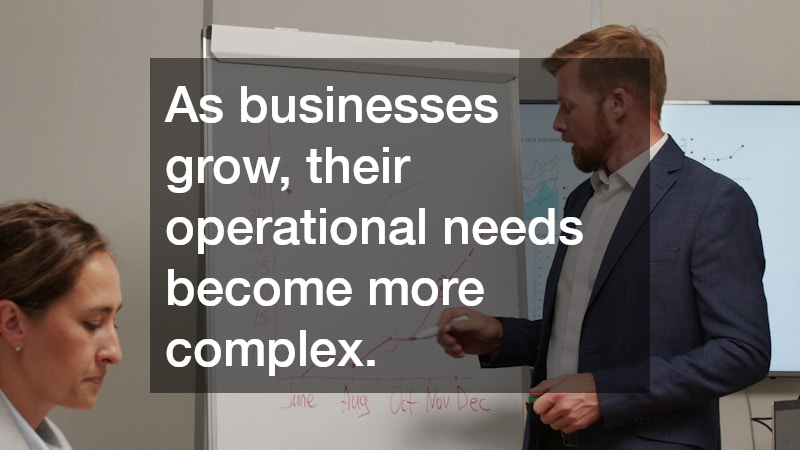
As businesses grow, their operational needs become more complex. Expanding teams, entering new markets, and increasing production all require careful planning and resource allocation. Without the right systems in place, growth can lead to higher costs and operational challenges.
A human resource management service provides the structure needed to support scalable growth. By standardizing processes and improving efficiency, businesses can expand without experiencing unnecessary financial strain.
Having a solid HR foundation ensures that growth is sustainable and that new opportunities can be pursued with confidence.
Cutting business costs does not mean sacrificing quality or employee satisfaction. Instead, it involves making strategic decisions that improve efficiency and reduce unnecessary expenses. Workforce management plays a central role in this process, as labor-related costs are often one of the largest financial commitments a company faces.
By adopting smarter approaches to hiring, retention, payroll, and compliance, businesses can achieve significant savings while maintaining a strong and motivated team. Leveraging modern tools and systems allows organizations to streamline operations and focus on long-term success.
Investing in the right strategies and support systems creates a more resilient and cost-effective business model. With careful planning and the right resources in place, companies can reduce expenses, enhance productivity, and position themselves for sustainable growth.