
Modern heating and cooling systems have come a long way from older, less efficient units that consumed large amounts of energy while delivering inconsistent comfort. Today’s systems are designed with efficiency, smart controls, and improved performance in mind, helping homeowners reduce monthly utility costs while maintaining a comfortable indoor environment year-round. As energy prices continue to rise, upgrading to a modern system is one of the most practical investments a homeowner can make.
Beyond just comfort, newer systems are built to optimize energy usage. They adjust output based on real-time temperature needs, reduce unnecessary cycling, and distribute air more evenly throughout the home.
These improvements not only enhance day-to-day living but also significantly reduce wasted energy. Over time, this translates into noticeable savings on heating and cooling bills.
Another major advantage of upgrading is the reduction in repair costs. Older systems tend to break down more frequently and require more expensive maintenance. Modern units are engineered with durability and efficiency in mind, reducing the likelihood of unexpected breakdowns. This combination of lower maintenance needs and improved efficiency makes upgrading a financially smart decision for many households.
Improved Energy Efficiency That Reduces Monthly Bills
One of the biggest cost-saving benefits comes from improved energy efficiency. Modern systems are designed to meet stricter energy standards, meaning they use less electricity or fuel to produce the same level of heating or cooling. This efficiency directly impacts monthly utility bills.
When a system operates more efficiently, it doesn’t have to work as hard to maintain a comfortable indoor temperature. This reduces overall energy consumption, especially during extreme weather when heating and cooling demands are highest. Homeowners often notice a steady decrease in their energy bills shortly after upgrading.
A properly designed HVAC installation ensures that the system is correctly sized and configured for the home. When a system is too large or too small, it can lead to wasted energy and uneven performance. Proper sizing and setup help maximize efficiency and ensure the system runs at optimal performance levels throughout the year.
Smart Technology That Prevents Energy Waste
Modern HVAC systems often include smart technology that helps homeowners take better control of their energy usage. Programmable thermostats, zoning systems, and app-based controls allow for precise temperature management in different areas of the home.
Instead of heating or cooling an entire house at the same level, smart systems allow users to adjust settings based on occupancy and time of day. For example, energy usage can be reduced while the home is empty and increased only when needed. This level of control helps prevent unnecessary energy waste.
Over time, these small adjustments add up to significant savings. Even simple changes like lowering usage during peak hours or adjusting temperature settings overnight can reduce long-term operating costs without sacrificing comfort.
Lower Maintenance and Repair Costs Over Time
Older HVAC systems tend to require frequent repairs, especially as they approach the end of their lifespan. Components wear out, efficiency drops, and breakdowns become more common. These issues can quickly add up in terms of repair expenses.
Newer systems are designed with improved materials and engineering standards that reduce wear and tear. As a result, homeowners experience fewer unexpected repair costs and less frequent maintenance needs. This reliability provides both financial and practical benefits.
A properly executed HVAC installation also helps reduce long-term issues by ensuring that all components are correctly installed and calibrated from the start. Poor installation can lead to airflow problems, system strain, and reduced efficiency, all of which can increase maintenance costs over time.
Environmental and Financial Benefits Combined
Modern systems don’t just save money—they also reduce environmental impact. Lower energy consumption means fewer emissions, making high-efficiency systems a more sustainable choice for homeowners who want to reduce their carbon footprint.
This combination of environmental responsibility and financial savings makes upgrading especially appealing. Homeowners can enjoy improved comfort while also contributing to broader energy conservation efforts.
As technology continues to improve, newer systems will only become more efficient, making today’s upgrades a forward-thinking investment.
Investing in a modern HVAC system is one of the most effective ways homeowners can reduce long-term energy costs while improving indoor comfort. With rising utility prices and increasing awareness of energy efficiency, upgrading to a more advanced system offers both immediate and long-term financial benefits.
Improved efficiency is one of the most significant advantages. Modern systems are designed to use less energy while maintaining consistent performance, which directly lowers monthly utility bills. Smart technology further enhances savings by giving homeowners more control over how and when energy is used, reducing waste without sacrificing comfort.
In addition to lower energy costs, newer systems also reduce maintenance and repair expenses. Older units often require frequent servicing, while modern systems are built for durability and reliability. This means fewer unexpected breakdowns and lower long-term upkeep costs, adding to overall savings.
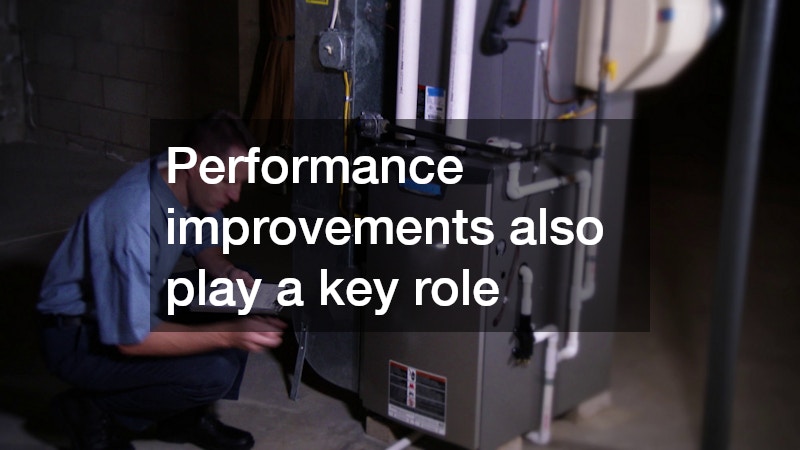
Performance improvements also play a key role. Better airflow and system design ensure that heating and cooling are distributed evenly throughout the home, reducing strain on the system and improving overall efficiency. When combined with proper setup and installation, these improvements help maximize the system’s lifespan and effectiveness.
Ultimately, upgrading to a modern system is not just about replacing old equipment—it’s about making a strategic investment in long-term savings and comfort. Homeowners who prioritize efficiency today benefit from lower energy bills, fewer repairs, and a more reliable indoor environment for years to come.