
As homeowners seek ways to reduce unnecessary expenses, the focus often turns to overlooked household items. Among these, couch cushions are pivotal, influencing both comfort and longevity of furniture. This article aims to shed light on how the proper selection of couch cushions can be a worthwhile investment, promising durable satisfaction and potential savings.
While the initial cost may be higher, choosing quality couch cushions ensures less frequent replacements and maintenance. The market offers a plethora of options, each with distinct benefits for the discerning homeowner.
By appreciating the nuances of cushion construction and material, one can secure a couch that remains both supportive and attractive for years to come.
1. What are the Benefits of Investing in High-Quality Couch Cushions?
Investing in high-quality couch cushions presents several compelling advantages, primarily in terms of durability. Cushions crafted from premium materials are designed to withstand extensive use without sagging or losing shape. This durability translates to fewer replacements over the years, which directly impacts cost savings. In contrast, cheaper cushions may require frequent replacements due to wear and tear, negating any initial savings. Thus, opting for quality means a longer lifespan for your furniture, ensuring that cost-effective solutions do not compromise comfort.
Another benefit of investing in superior cushions is enhanced comfort, which is consistently maintained over time. High-quality cushions often include supportive fillings that prevent discomfort even after prolonged use. This ensures that the couch remains a comfortable sanctuary, whether for relaxing nightly or entertaining guests. Given that comfort plays a significant role in daily living, investing upfront prevents the recurring annoyance and cost of cushions that lose their supportive nature. In essence, higher comfort levels are synonymous with long-term satisfaction and savings.
Moreover, investing in premium cushions reduces the environmental impact associated with frequent disposal and repurchasing of lower-quality alternatives. A focus on quality means that materials are often sustainably sourced and manufactured, adding another layer of value. Homeowners can enjoy not only financial savings but also the peace of mind that comes with making environmentally conscious choices. Through quality investments, homeowners contribute to sustainability while also reaping the economic benefits. Consequently, the right couch cushions afford both financial and ecological returns, reinforcing their smart investment status.
2. How Do Couch Cushion Materials Affect Longevity and Maintenance Costs?
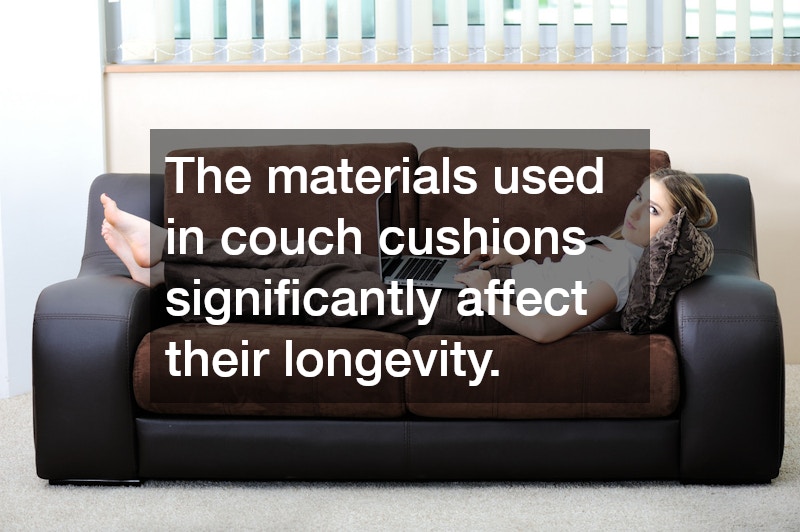
The materials used in couch cushions significantly affect their longevity and the associated maintenance costs. Cushion fillings, such as high-density foam or down, provide varying levels of resilience. For instance, high-density foam retains its shape longer, thus prolonging the furniture’s usability and reducing the need for frequent purchases. In comparison, materials like polyester may flatten more easily, necessitating quicker replacements. Hence, selecting the right filling not only ensures durability but assists in managing long-term maintenance costs effectively.
Additionally, the choice of fabric covering plays a crucial role in determining a cushion’s longevity. Fabrics that are stain and tear-resistant, such as leather or heavy-duty synthetics, often require less upkeep, saving both time and money. These materials are designed to withstand rigorous use, which decreases the frequency and cost of repairs. Moreover, durable coverings maintain their aesthetic value over time, eliminating the urge to frequently update for style. Therefore, investing in robust materials provides dual benefits: reduced repair costs and prolonged stylistic viability.
3. Can Choosing the Right Cushion Design Help Reduce Future Expenses?
Choosing the right cushion design has the potential not only to streamline financial expenditure but also maintain the cohesive aesthetic value of a home. A well-thought-out design ensures that the cushions remain in style, reducing the need for frequent redecoration. By opting for classic and versatile styles, homeowners protect themselves from the financial burden of constantly updating decor to reflect fleeting trends. This stability enhances the living space’s visual appeal while managing expenses associated with home improvement activities. Therefore, timeless cushion designs contribute significantly to economic savings and visual permanence.
In addition, the right designs can offer functional benefits that extend the life of the couch. Ergonomically designed cushions provide essential support that can prolong the functionality of the couch structure itself. By ensuring even weight distribution and user comfort, such designs prevent the structural damage commonly associated with poorly designed cushions. This, in turn, reduces the need for costly repairs or entire couch replacements. The thoughtful integration of design and functionality reflects how aesthetic choices can indeed translate into tangible financial advantages.
As discussed, selecting appropriate materials and designs ensures minimal upkeep and longer stylistic relevance, further emphasizing economic prudence. The correct balance between quality and design guarantees a blend of aesthetic appeal and financial sense that benefits both the wallet and living experience. Thoughtful decisions in purchasing couch cushions underscore the principle that quality investments yield lasting returns.
Therefore, when faced with the decision to purchase or upgrade cushions, homeowners should consider their long-term impact. The right cushions offer a balance of style, durability, and maintenance economy that ultimately enhances both the dwelling and financial well-being. Acknowledging their significance in home sustainability is a step towards realizing smart and sustainable living choices.